
katrinpress46
About katrinpress46
The Rise of Private Jet Charters: A Case Study on Luxury Journey within the 21st Century
In recent years, the private jet charter trade has experienced remarkable progress, pushed by a confluence of factors including technological advancements, altering consumer preferences, and an increasing demand for personalised travel experiences. This case examine explores the dynamics of the private jet charter market, the key gamers involved, and the implications for the way forward for luxurious travel.
Business Overview
The private jet charter business gives shoppers the ability to rent aircraft for personal or enterprise travel, offering a level of convenience and flexibility that business airways can not match. The market has expanded significantly, with estimates suggesting that the worldwide private jet charter market was valued at round $20 billion in 2020 and is projected to develop at a compound annual development rate (CAGR) of over 5% via 2027. Components similar to globalization, the rise of the affluent class, and a rising emphasis on time efficiency have contributed to this upward trend.
Key Players
Several key players dominate the private jet charter market, together with established companies like NetJets, Flexjet, and VistaJet, in addition to newer entrants like Wheels Up and Blade. Each of those firms employs totally different enterprise fashions, starting from fractional possession to on-demand charter providers, catering to a diverse clientele with various wants.
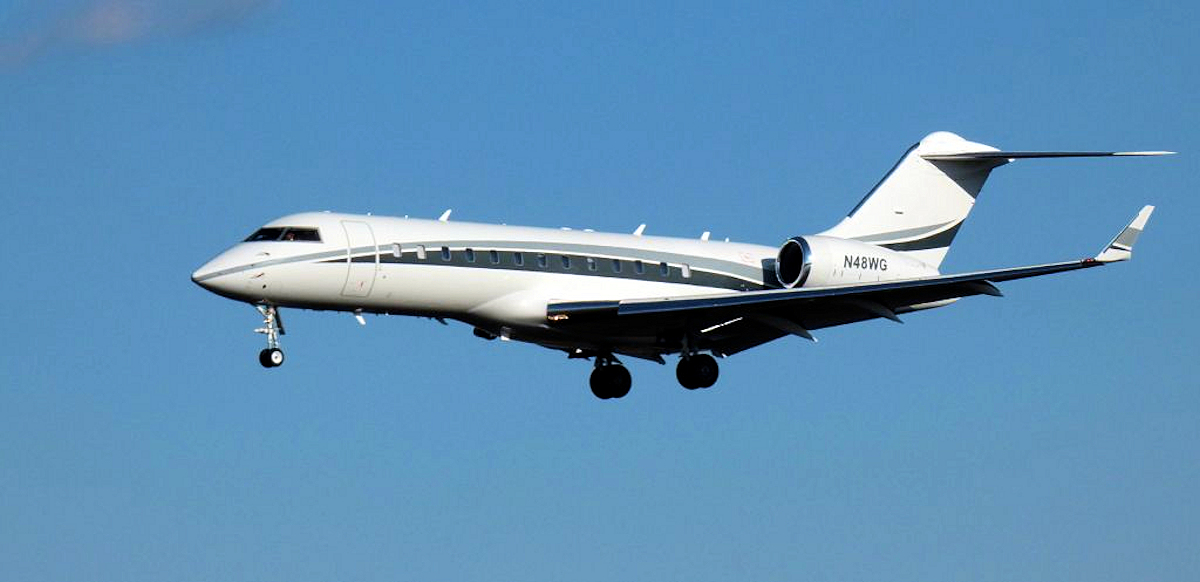
- NetJets: A pioneer within the fractional ownership mannequin, NetJets permits shoppers to purchase shares in aircraft, providing them with entry to a fleet of jets with out the complete burden of ownership. This model is appealing to high-net-worth individuals who travel incessantly but prefer to not manage the complexities of aircraft maintenance and operation.
- Wheels Up: Based in 2013, Wheels Up has disrupted the market by providing a membership-based mostly model that provides on-demand access to a fleet of private jets. This strategy has made private aviation more accessible to a broader viewers, including youthful travelers who value flexibility and convenience.
- VistaJet: This company operates a novel business mannequin targeted on offering a constant and high-high quality experience across its fleet of aircraft. VistaJet emphasizes luxury and repair, appealing to shoppers who prioritize consolation and exclusivity.
Consumer Preferences
The rise of private jet charters can be attributed to altering consumer preferences, notably among affluent individuals and company executives. As we speak’s travelers seek extra than just transportation; they desire customized experiences that cater to their specific needs. Private jet charters provide a range of benefits, together with:

- Time Effectivity: Private jets can considerably reduce travel time by permitting passengers to bypass lengthy security lines and join directly to smaller airports closer to their final destinations.
- Flexibility: Purchasers can select their departure occasions, routes, and even in-flight companies, making private jet travel a extremely customizable experience.
- Security and Privateness: Within the wake of the COVID-19 pandemic, many travelers have turn out to be more involved about well being and safety. Private jets offer a controlled environment with fewer passengers, reducing publicity to potential health risks.
Technological Advancements
Expertise has performed an important role in the evolution of the private jet charter trade. The appearance of mobile apps and on-line platforms has simplified the booking course of, permitting clients to charter flights with just a few taps on their smartphones. Corporations like JetSmarter and FlyExclusive have leveraged know-how to enhance the person experience, offering options akin to real-time flight tracking, instant booking, and clear pricing.
Moreover, developments in aircraft know-how have improved the efficiency and sustainability of private jets. Newer aircraft models are geared up with more fuel-efficient engines and superior avionics, reducing operational prices and environmental affect. Companies are more and more investing in sustainable aviation gas (SAF) and carbon offset packages to enchantment to eco-conscious travelers.
Challenges Dealing with the Business
Despite its development, the private jet charter trade faces a number of challenges. One of many most significant is the growing scrutiny regarding environmental sustainability. As considerations about climate change intensify, the aviation sector, including private aviation, is underneath pressure to scale back its carbon footprint. Corporations are exploring varied initiatives, comparable to investing in electric aircraft and selling using SAF, to deal with these considerations.
Another problem is the fluctuating economic panorama. Economic downturns can result in decreased demand for luxury journey as people and companies tighten their budgets. The COVID-19 pandemic illustrated this vulnerability, with many private jet companies (privatejetscharter.review) experiencing vital declines in bookings in the course of the top of the crisis. However, the sector has shown resilience, with a rebound in demand as journey restrictions eased and client confidence returned.
The way forward for Private Jet Charters
Trying forward, the way forward for private jet charters appears promising, driven by continued demand for luxurious travel and the continuing evolution of technology. Key traits likely to form the business include:
- Elevated Accessibility: As more corporations adopt membership and on-demand fashions, private jet travel is becoming more accessible to a wider vary of customers. This democratization of private aviation might lead to a broader buyer base and elevated competitors among providers.
- Sustainability Initiatives: The industry is likely to see a larger emphasis on sustainability, with firms investing in inexperienced applied sciences and practices. The adoption of SAF and the development of electric and hybrid aircraft might play a significant position in reducing the environmental impression of private aviation.
- Enhanced Customer Experiences: As competition intensifies, companies might want to deal with delivering exceptional customer experiences. This might involve personalized companies, unique in-flight amenities, and tailored journey itineraries that cater to the particular preferences of shoppers.
- Integration of AI and Knowledge Analytics: The usage of artificial intelligence and information analytics is anticipated to extend in the private jet charter trade. These technologies can improve operational efficiency, optimize pricing methods, and improve customer service by offering personalised suggestions based on traveler conduct.
Conclusion
The private jet charter trade is undergoing a transformation, driven by changing consumer preferences, technological advancements, and a growing emphasis on sustainability. As the market continues to evolve, key gamers will need to adapt to emerging tendencies and challenges to keep up their competitive edge. The future of private jet charters appears to be like vivid, with alternatives for growth and innovation that will form the luxurious travel landscape for years to come back.
No listing found.